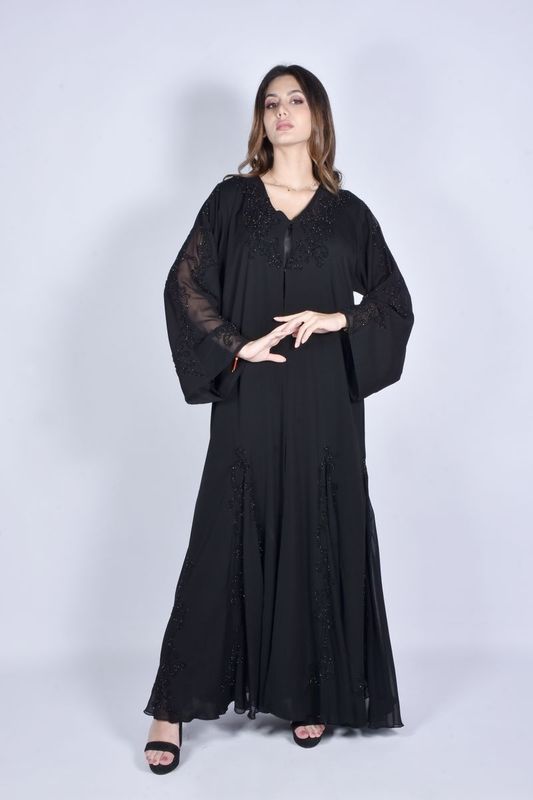
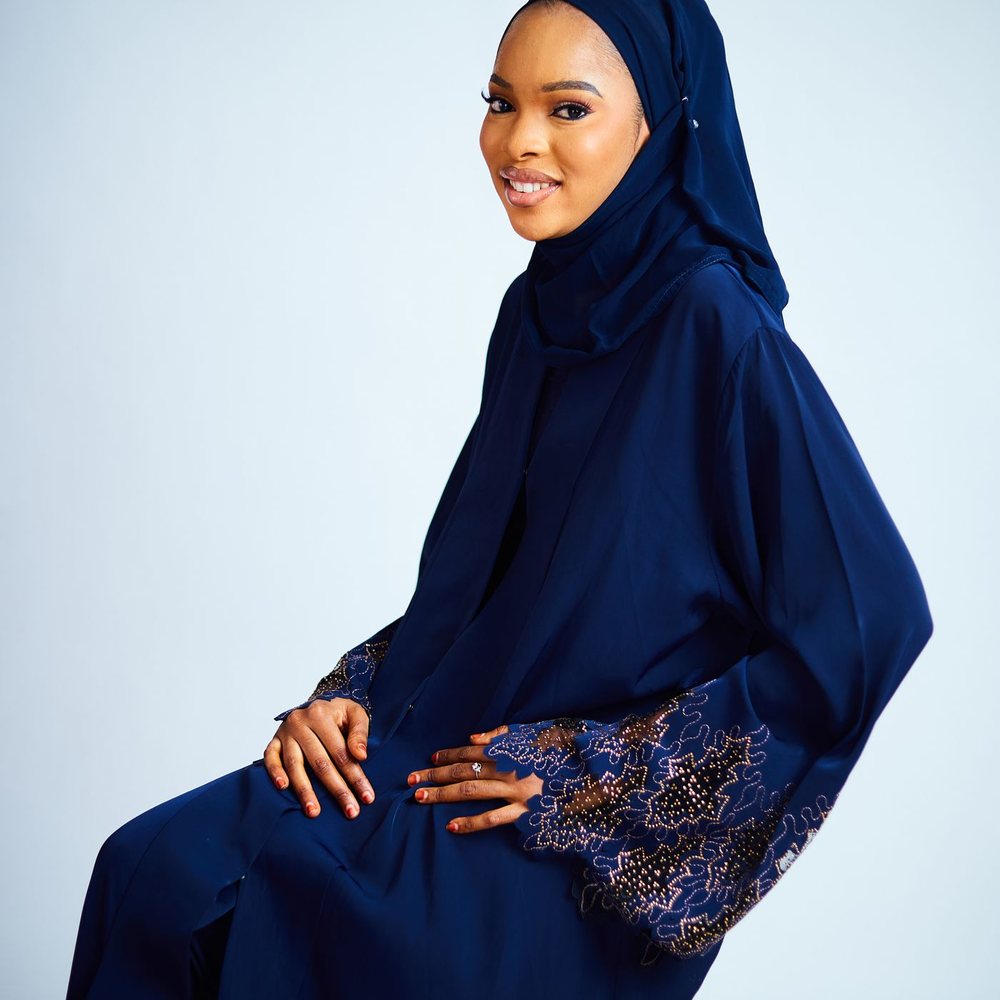
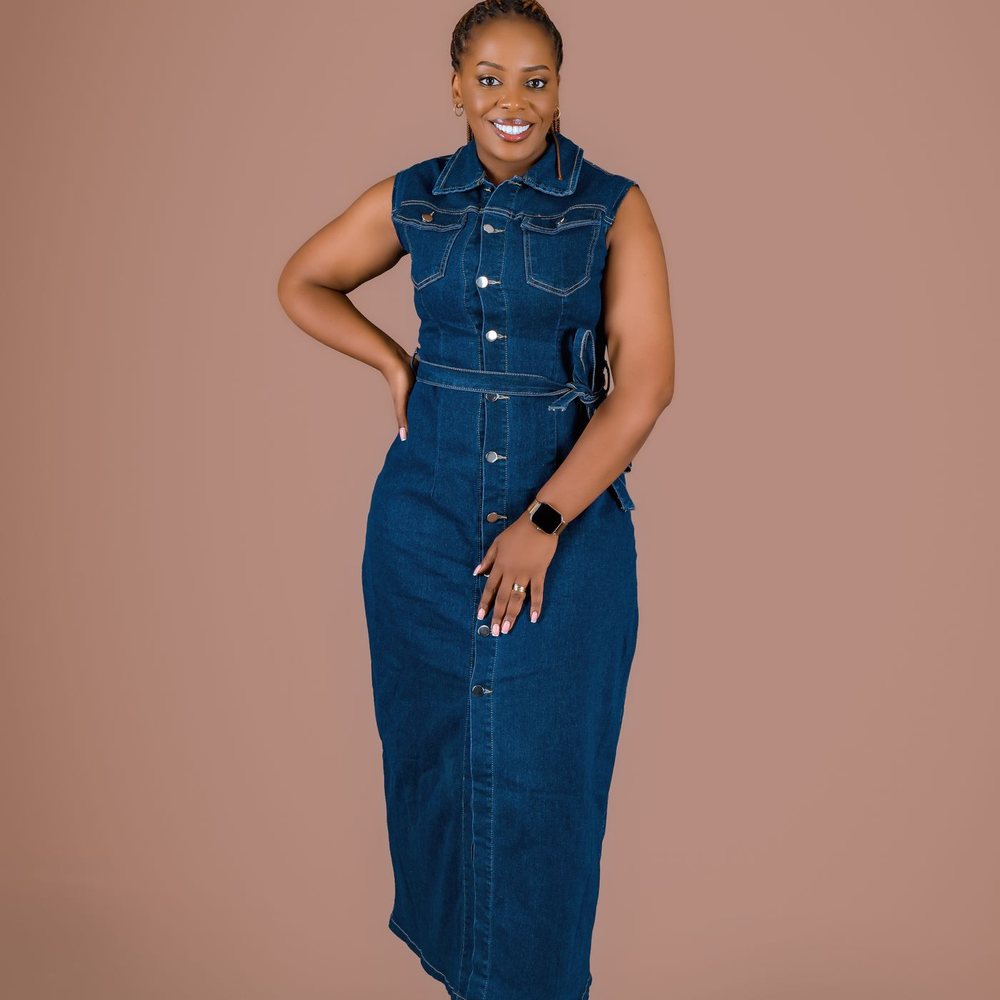
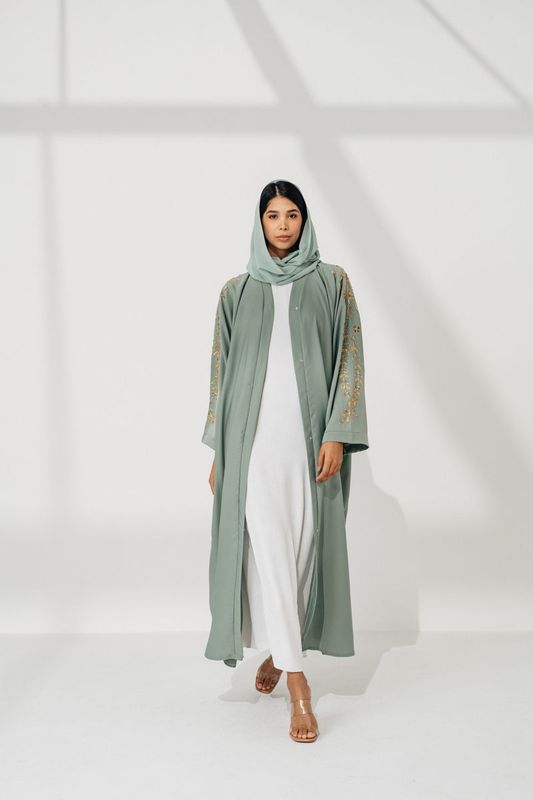
The easiest way to plan modest Eid outfits is by occasion rather than by day. Most Eid days in the UAE have three moments: morning prayers and family visits, a majlis or lunch gathering, and an evening dinner. Choose a comfortable abaya for mornings, a kaftan or jalabiya for gatherings and an occasion abaya for evenings, then re-style with accessories.
Key takeaways
- Plan outfits by occasion, not by counting days.
- Mornings call for comfort: an opaque everyday abaya, flat shoes and a secure shayla.
- Kaftans and jalabiyas suit majlis and family lunches at home.
- Occasion abayas and modest evening dresses suit dinners and weddings that fall over Eid.
- Layer for air conditioning; it can be colder indoors than outside.
- Start three to four weeks ahead so there is time for hemming and a fitting.
How should I plan Eid outfits?
Plan around where you will be, who you will see and how long you will be out. A morning spent walking to prayers and visiting grandparents needs a different outfit from an evening dinner with cousins. Once you know the occasions, the outfits almost choose themselves.
Here is a simple plan that works for most families across the first two days of Eid:
| Occasion | What it involves | Outfit | Fabric | Shoes |
|---|---|---|---|---|
| Eid morning prayers | Early start, crowds, walking | Everyday abaya, plain shayla | Crepe or nida | Flats or low sandals |
| Family visits | Several homes, sitting, greeting elders | Same abaya, upgraded shayla and jewellery | Crepe or nida | Flats |
| Majlis or lunch at home | Long sitting, serving, children | Embellished kaftan or jalabiya | Silk-touch or cotton | Flat slippers |
| Evening dinner | Restaurant or hotel, photos | Occasion abaya or modest evening dress | Satin, organza sleeves, lace | Heels or embellished flats |
| Day two | Repeat visits, relaxed | Re-styled kaftan or co-ord set | Linen or satin | Flats |
You can see that the morning abaya works twice and the kaftan can return on day two with a different shayla. This keeps the wardrobe focused and saves space in the cupboard after Eid.
What should I wear for Eid morning prayers and family visits?
Wear something comfortable, opaque and easy to move in. Eid prayers begin early, and prayer areas can be busy, so you want an abaya that lets you kneel and stand without adjusting it, with a hem that does not catch on steps.
A plain crepe or nida everyday abaya in black, navy or a soft neutral is ideal. Check the hem length in flat shoes; our abaya length chart explains how to choose. Pair it with a shayla that stays in place, such as crinkle or modal jersey, and keep jewellery minimal.
After prayers, the same outfit moves straight into family visits. To make it feel more festive, change one thing: a richer shayla, a pair of pearl earrings or a structured bag from Kaia. Small changes look deliberate in photos without needing a second outfit.
What should I wear to an Eid majlis?
A kaftan or jalabiya is the classic choice for an Eid majlis or family lunch at home. They are comfortable for long hours of sitting, serving coffee and dates, and playing with children, yet look festive with embroidery or embellishment.
Two practical points:
- Size and length. Kaftans come in two generous sizes, S/M and L/XL, while jalabiyas follow the abaya length chart. If you are wearing a jalabiya with house slippers, choose the length for flats.
- Sleeves. Wide sleeves look beautiful but can catch on coffee pots and serving trays. If you will be hosting, a slightly narrower sleeve is more practical.
Browse our kaftans and jalabiyas for printed, silk-touch and embellished pieces.
What should I wear to an Eid evening dinner?
Evening is the time for your most special piece. An occasion abaya with pearl trim, lace panels or organza sleeves, or a modest evening dress with full sleeves and a floor-length skirt, suits restaurant and hotel dinners and the family photos that come with them.
When choosing an occasion abaya, think about where you will sit and how much you will move. Satin catches the light beautifully in photos but shows creases after a long car journey, so hang it until the last moment. Organza sleeves look striking but can be scratchy, so try them on with the sleeves of whatever you wear underneath.
If you plan to wear heels with an occasion abaya, choose one length up from your usual length, or bring the shoes for a hemming appointment. Our team hems in store in 2–3 days, but allow more time in the final week before Eid, when demand is highest.
How do I layer Eid outfits for air conditioning?
Layer with lighter pieces rather than relying on one heavy fabric. In the UAE you may go from warm outdoor air to a strongly air-conditioned majlis or mall several times in one day, and the indoor temperature can feel cold if you are sitting for hours.
Layering ideas that work:
- An open-front abaya worn over a kaftan or co-ord set, which you can slip off or keep on.
- A fine knit or long-sleeved top under a satin or organza occasion piece.
- A second, lighter shayla in your bag to wrap around your shoulders.
- A modest midi or maxi dress under an open abaya, so the outfit still works if you take the abaya off.
How should I choose accessories and fragrance for Eid?
Keep accessories in proportion to the outfit and apply fragrance to the skin, not the fabric. A heavily embellished jalabiya needs very little jewellery, while a plain abaya can carry a statement bag, pearls or gold tones.
Fragrance is part of Eid for many families, from oud and rose perfumes to bakhoor in the home. A few habits keep your clothes in good condition:
- Apply perfume or mukhallat oil to the skin and let it dry before dressing. Oils can leave marks on satin, silk and chiffon.
- Perfume clothes with bakhoor by holding them at a safe distance from the burner, keeping the fabric moving, and never close to the embers.
- Choose one signature scent for the day, so it does not compete with the bakhoor at every home you visit.
Our fragrance collection from Oud Al Layl includes oud, rose and musk perfumes, mukhallat oil and bakhoor.
How far in advance should I plan Eid outfits?
Start three to four weeks before Eid. That gives you a week to choose, a week to try everything on with your shoes and accessories, and time for alterations. Shops and tailors are at their busiest in the final days before Eid, so the earlier you secure hems and fittings, the calmer the last week will be.
If you want help putting the whole wardrobe together, from prayers to the final dinner, book an Eid wardrobe session at our styling studio. A stylist will put together looks for each occasion, check lengths and suggest accessories, so everything is ready in one visit.
Your Eid wardrobe checklist
Use this list three to four weeks before Eid:
- List each occasion for each day of Eid.
- Choose one everyday abaya for prayers and visits.
- Choose a kaftan or jalabiya for majlis and lunches.
- Choose an occasion abaya or modest evening dress for dinners.
- Try every outfit on with the shoes you will actually wear.
- Book hems and alterations, allowing 2–3 days plus a buffer.
- Choose two or three shaylas to re-style looks across the days.
- Plan layers for air conditioning.
- Pick accessories and one signature fragrance.
- Steam and hang everything the night before, away from perfume and bakhoor.